
Minnesota teens, through their art, spark conversations about youth mental health
Discover how Minnesota teens are using their art to spark vital conversations about youth mental health and social media, shedding light on the importance of community support and the challenges of internet addiction.

How the art of bonsai can help to boost mental wellbeing
Discover how the ancient art of bonsai transcends mere gardening to become a transformative tool for mental wellbeing, offering a unique blend of creativity, mindfulness, and connection with nature.

Breaking The Cycle Of Homelessness Through Art
Discover how "Breaking The Cycle Of Homelessness Through Art" reveals the transformative power of art in offering dignity, healing, and a path towards stability for those experiencing homelessness, through the inspiring work of Art From the Streets.

GN and Soundly Launch Digital Art Campaign for Hearing Health Awareness
Discover how GN and Soundly's "Inside the Ear" campaign is revolutionizing hearing health awareness through the captivating power of digital art, blending science and creativity to inspire and educate.

Bringing Art to Life: The Urban Health Plan's Vision for Community Wellness and Joy
Urban Health Plan's Arts for Everybody campaign unites 18 cities to enhance community well-being through art, offering hope and joy during challenging times.
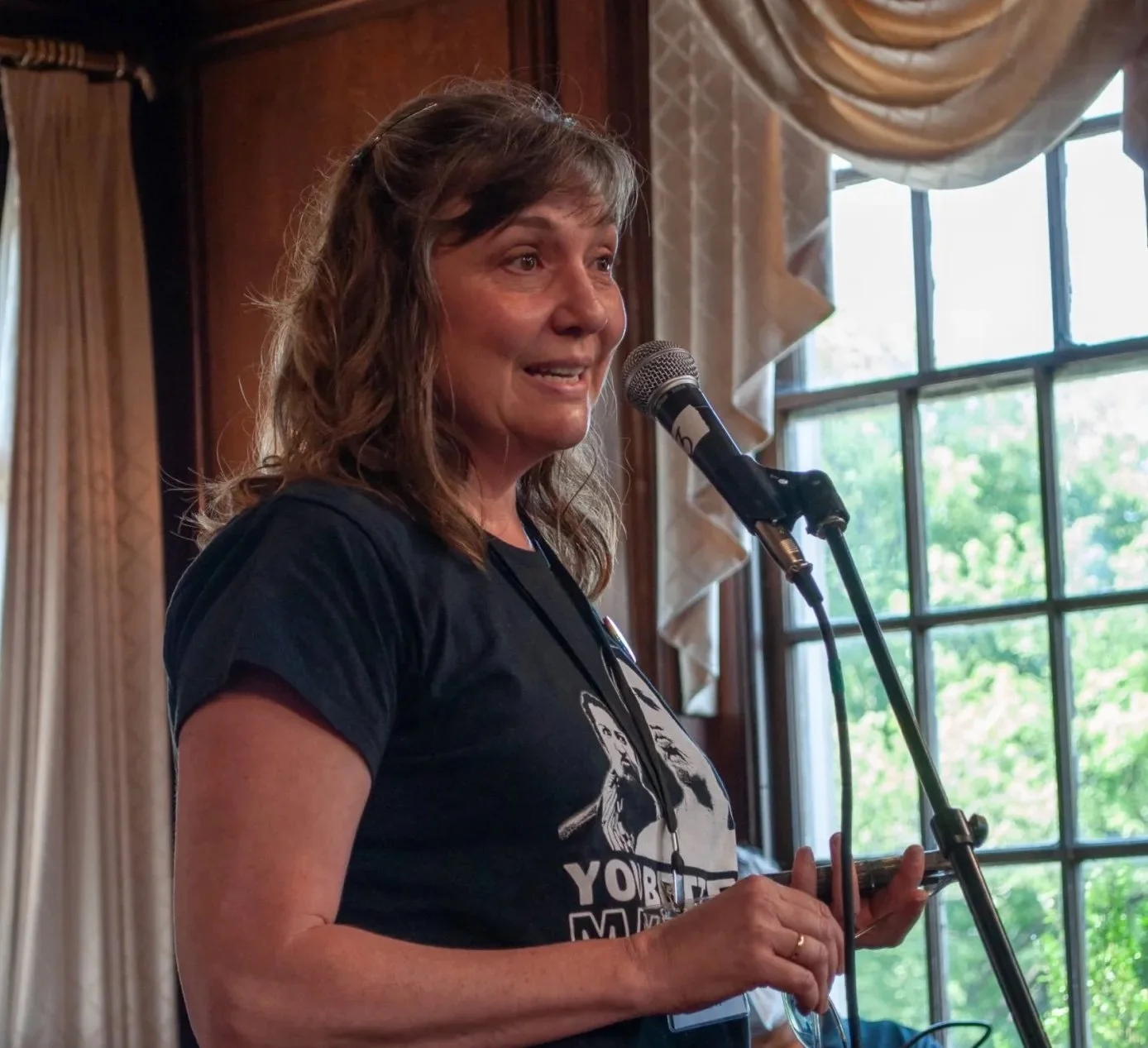
How writing, art and community can help military caregivers overcome loneliness
The article from VA News highlights how Community Building Art Works (CBAW) uses expressive writing and art making in free online workshops to support military caregivers in overcoming loneliness and building connected communities, aligning with the goals of making arts accessible to everyone.
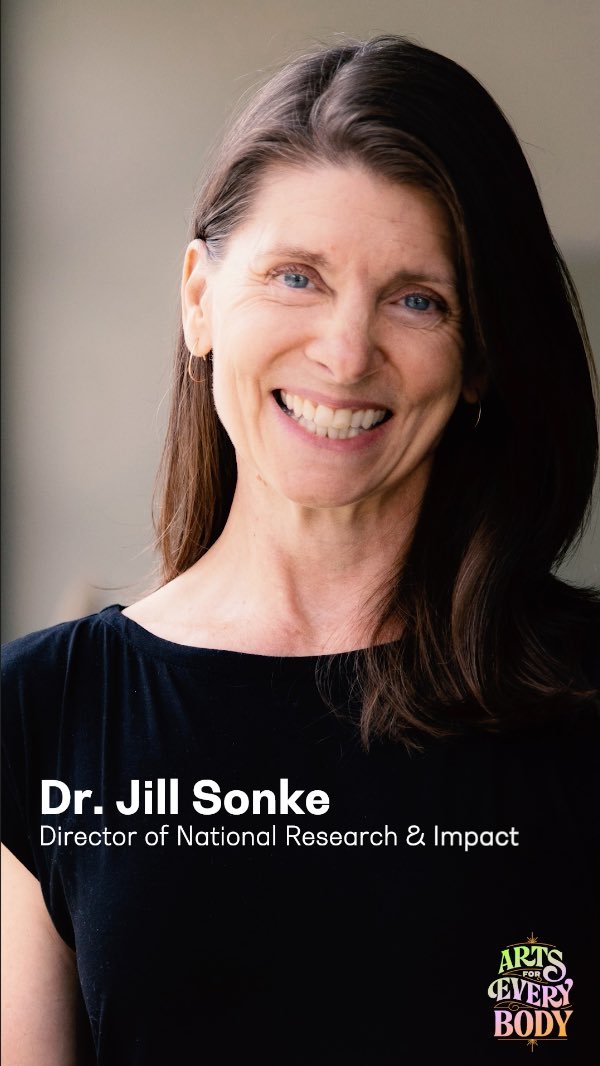
Meet Dr. Jill Sonke, PhD.
Dr. Jill Sonke, PhD, is a leading advocate for the integration of arts and health. As the Founding Director of the Center for Arts in Medicine at the University of Florida, she has been instrumental in advancing the field of arts in healthcare.

Arts and Cultural Engagement, Reportedly Antisocial or Criminalized Behaviors, and Potential Mediators in Two Longitudinal Cohorts of Adolescents.
This study explores the impact of arts and cultural activities on reducing antisocial and criminal behaviors among adolescents, highlighting the role of arts as a public health strategy by enhancing self-control and fostering positive attitudes in over 25,000 U.S. teens.

Associations between participation in community arts groups and aspects of wellbeing in older adults in the United States: a propensity score matching analysis
This study investigates the positive impact of community arts group participation on the well-being of older adults in the U.S., demonstrating significant enhancements in positive emotions, life satisfaction, and a sense of purpose among over 12,000 participants, with greater benefits from weekly involvement.
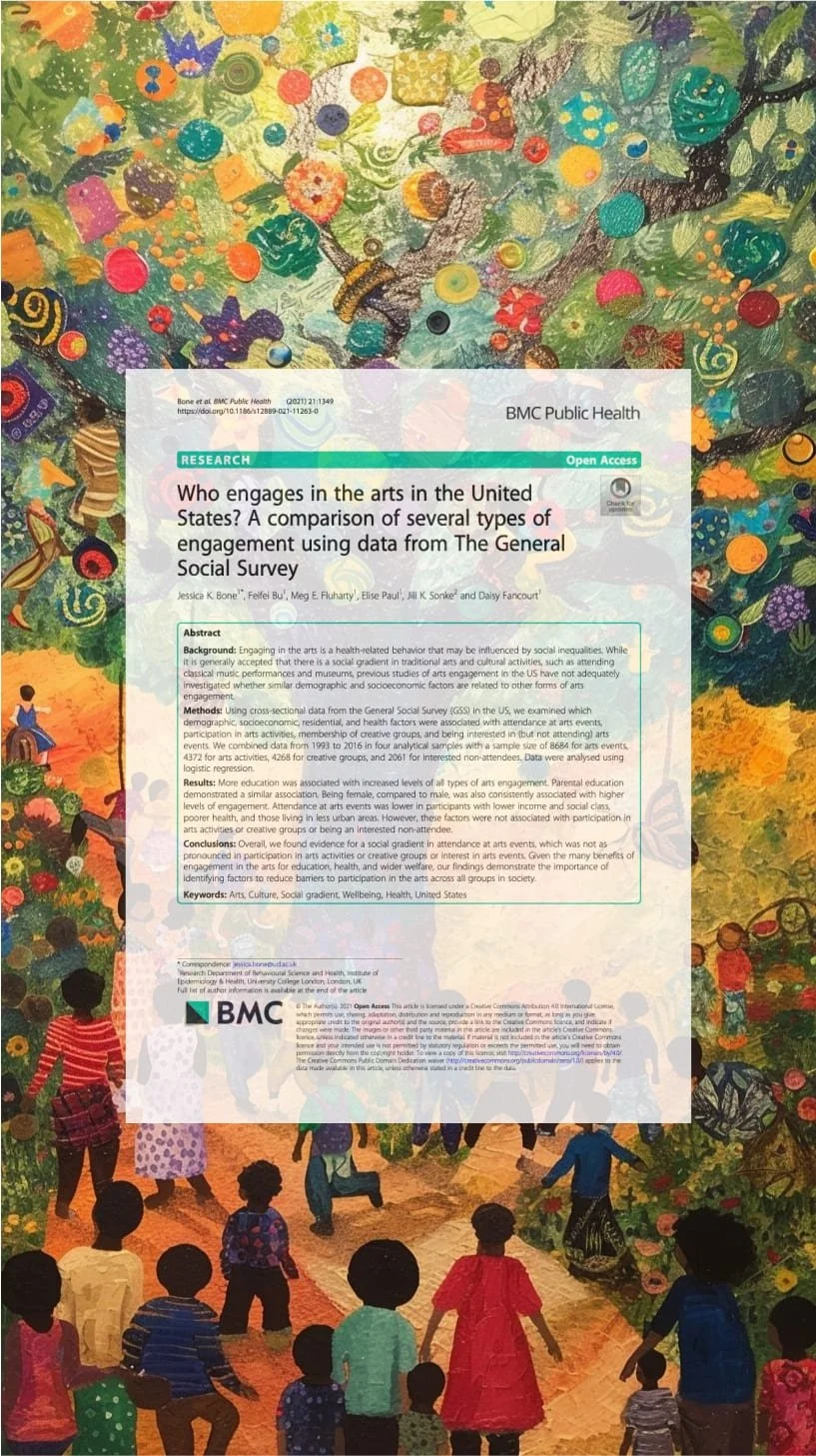
Harmonizing Communities: The Transformative Power of Arts on Wellbeing and Social Cohesion
Our research explores how engaging with the arts fosters social cohesion and enhances wellbeing across diverse communities, highlighting the need for inclusive participation and investment in arts for health.

Hobby engagement and mental wellbeing among people aged 65 years and older in 16 countries
This international study across 16 countries and 93,263 participants shows that hobby engagement is universally associated with improved mental wellbeing, including fewer depressive symptoms, and higher self-reported health, happiness, and life satisfaction, suggesting that promoting hobby engagement is a valuable strategy for supporting healthy aging globally, despite varying prevalence of hobby engagement across countries.

Associations of arts and cultural engagement with substance use trajectories in adolescence and early adulthood: a latent growth curve analysis of the Add Health cohort
This study on US adolescents finds that engagement in arts and cultural activities is initially associated with a reduced risk of substance use (alcohol intoxication and tobacco use), but this protective effect diminishes over time, suggesting the need for sustained engagement in these activities for long-term benefits.

Leisure engagement in older age is related to objective and subjective experiences of aging
This study of older adults in the US finds that physical and creative leisure activities are most beneficial for aging experiences, positively affecting daily functioning, physical fitness, sleep, and perceptions of health both concurrently and longitudinally, while cognitive and community activities show less consistent benefits, suggesting that engaging in physical and creative activities can help slow age-related decline and support functional independence.

Leisure engagement and self-perceptions of aging: Longitudinal analysis of concurrent and lagged relationships
This study of older adults in the United States finds that leisure engagement, including community, cognitive, creative, and physical activities, positively influences self-perceptions of aging, with some evidence of a reciprocal relationship in creative and physical activities, suggesting that increasing leisure engagement may improve health by enhancing positive aging perceptions.

Participatory and Receptive Arts Engagement in Older Adults: Associations with Cognition Over a Seven-Year Period
This study on older adults finds that moderate engagement in both participatory and receptive arts activities is associated with improvements in executive function/language and episodic/working memory, respectively, suggesting potential cognitive benefits comparable to those of vigorous physical activity, while also highlighting methodological considerations for future research on the relationship between arts engagement and cognition.

Receptive and participatory arts engagement and healthy aging: Longitudinal evidence from the Health and Retirement Study
This study on older adults suggests that regular engagement in receptive arts activities, such as attending galleries or performances, is associated with increased odds of healthy aging two and four years later, while participatory arts activities showed mixed associations with health outcomes, indicating potential benefits of receptive arts for prolonging healthspan and overall well-being.

Associations between extracurricular arts activities, school‐based arts engagement, and subsequent externalising behaviours in the Early Childhood LongitudinalStudy
This study finds that individual engagement in extracurricular arts activities is associated with fewer adolescent externalizing behaviors, suggesting a benefit in risk reduction for such behaviors, while no association was found with school-based arts engagement or the provision of arts classes and facilities at the school level.

Associations of Social, Cultural, and Community Engagement With Health Care Utilization in the US Health and Retirement Study
This study demonstrates that greater social, cultural, and community engagement (SCCE) among older adults is linked to more dental and outpatient care, shorter hospital stays, and reduced need for home health and nursing home care, suggesting SCCE promotes beneficial health-seeking behaviors and could help optimize health care utilization and reduce financial burdens on the health system.

Creative leisure activities, mental health and well- being during 5 months of the COVID-19 pandemic: a fixed effects analysis of data from 3725 US adults
This study on a US sample during the COVID-19 pandemic found that home-based creative activities like gardening, woodwork/DIY, and arts/crafts are associated with reduced depressive and anxiety symptoms and increased life satisfaction, whereas excessive media consumption is linked to increased depressive symptoms, highlighting the importance of specific types of activities for mental health and well-being during lockdowns.

Cross‐sectional and longitudinal associations between arts engagement, loneliness, and social support in adolescence
This study finds that engagement in school-based arts activities is associated with increased social support among adolescents, suggesting extracurricular arts provide valuable opportunities for social engagement and community building, despite no direct association with loneliness.